Why Your Car May Overheat in the Summer
Summer heat can be tough on your vehicle. When temperatures rise, your engine and cooling system have to work harder to keep everything running at a safe temperature. If any part of the cooling system isn't working properly, your vehicle may begin to overheat.
An overheating engine is something that should never be ignored. Continuing to drive when the engine is too hot can lead to serious damage and expensive repairs. Knowing the common causes and warning signs can help you address a problem before it gets worse.
Common Reasons a Vehicle May Overheat
Low Coolant
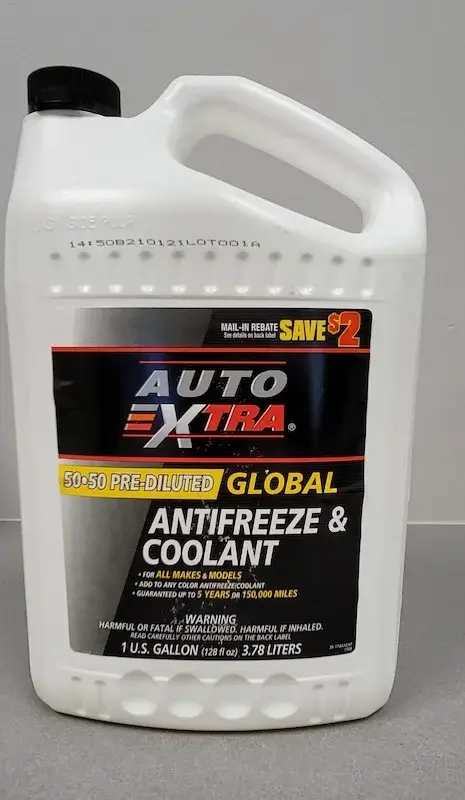
Coolant, also called antifreeze, helps regulate your engine’s temperature. If the coolant level is low because of a leak or another problem, not enough coolant may circulate through the engine to keep it from overheating.
Low coolant can result from leaks in hoses, the radiator, the water pump, or other parts of the cooling system.
A Faulty Thermostat
The thermostat controls coolant flow between the engine and radiator. If it becomes stuck closed, coolant may not circulate properly. This can cause the engine temperature to rise quickly.
A Problem with the Radiator
The radiator helps remove heat from the coolant. If it is clogged, damaged, leaking, or not allowing proper airflow, it may not cool the engine effectively.
Cooling Fans Are Not Working
Many vehicles use electric cooling fans to help pull air through the radiator, especially when the vehicle is stopped or moving slowly. If a cooling fan, motor, relay, or sensor fails, the engine may overheat, particularly in traffic or while idling.
A Failing Water Pump
The water pump circulates coolant throughout the engine and cooling system. If the pump is worn, leaking, or failing, coolant may not move properly. Without proper circulation, the engine can quickly overheat.
Damaged or Leaking Hoses
Cooling-system hoses carry coolant between important components. Over time, hoses can crack, swell, soften, or loosen. A damaged hose may leak coolant and contribute to overheating.
Warning Signs Your Vehicle May Be Overheating
Pay attention to these signs:
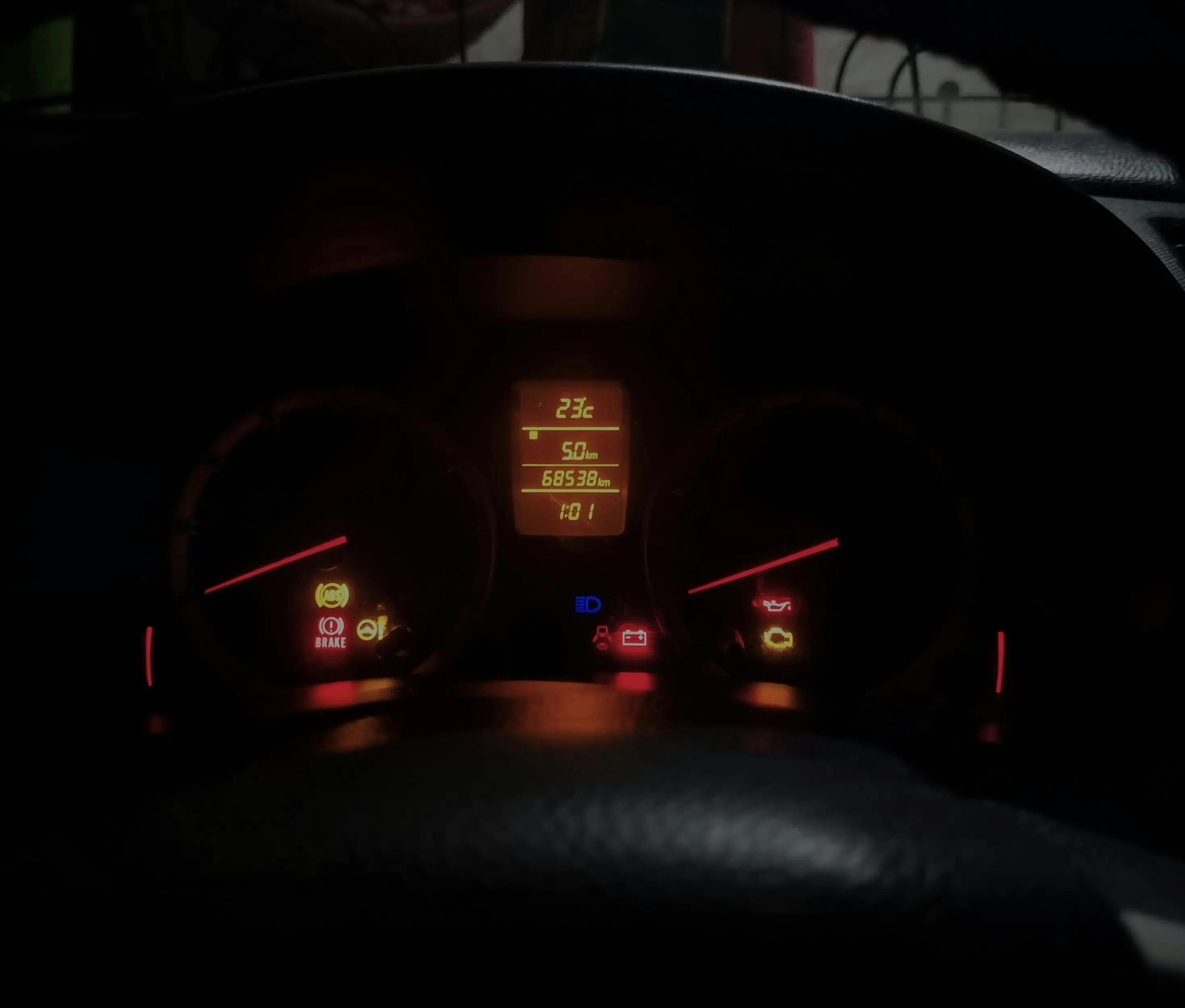
- The temperature gauge is higher than normal or moves into the red area
- A temperature warning light comes on
- Steam is coming from under the hood
- You smell something sweet, which may indicate leaking coolant
- The heater suddenly blows cool air
- Coolant is leaking underneath the vehicle
- The engine loses power or begins running differently
If you notice any of these warning signs, it is important to address the problem as soon as possible.
What Should You Do If Your Car Starts Overheating?
If the temperature gauge rises into the red or you see steam coming from under the hood, safely pull over as soon as possible and turn off the engine. Do not continue driving if the vehicle is overheating.
Never remove the radiator cap while the engine is hot. The cooling system may be under pressure, and hot coolant or steam can cause serious burns. Allow the vehicle to cool completely before checking anything under the hood.
If you are unsure what caused the overheating, have a qualified automotive technician inspect the vehicle.
Prevent Overheating with Regular Maintenance
Routine maintenance can help identify cooling-system problems before they lead to an overheated engine. A professional inspection may include checking the coolant level and condition, hoses, the radiator, the thermostat, the water pump, cooling fans, and other cooling-system components.
Summer driving puts extra stress on your vehicle, but proper maintenance can help keep your engine running at a safe temperature. If your temperature gauge is rising, you notice a coolant leak, or your vehicle has been overheating, schedule an inspection before the problem leads to more extensive repairs.
Keeping up with cooling-system maintenance can help prevent overheating, unexpected breakdowns, and costly engine damage.