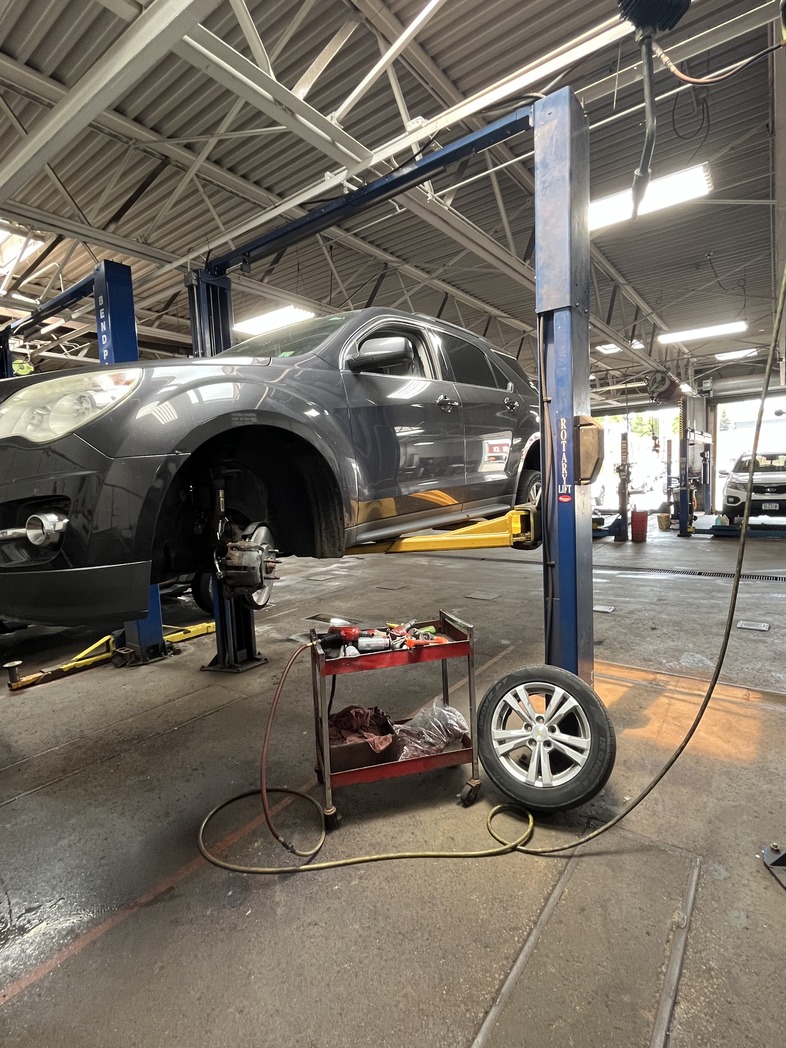
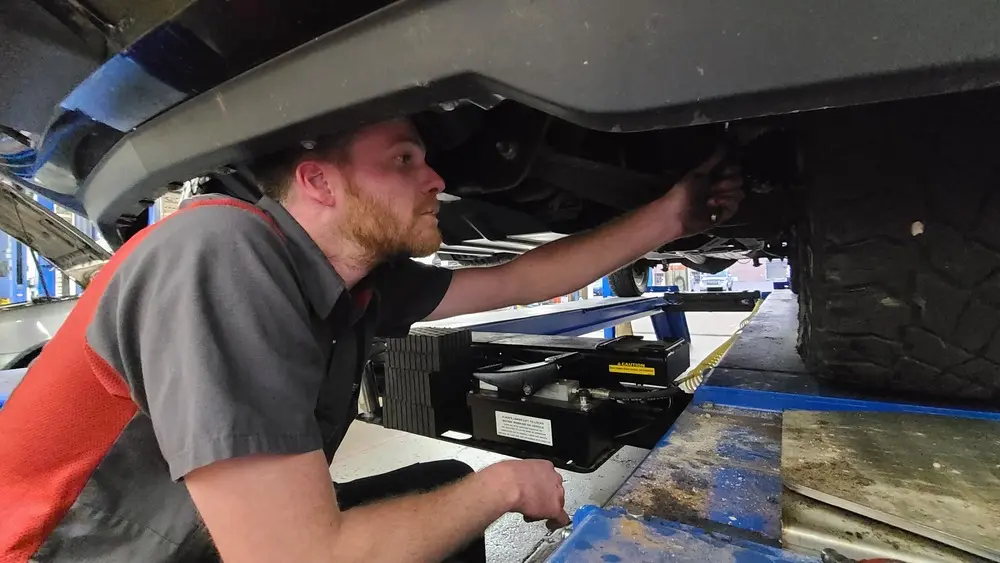
If your car pulls to one side, your steering wheel feels off-center, or your tires are wearing unevenly, there’s a good chance your vehicle needs a wheel alignment. It’s one of those maintenance services many drivers overlook—but it plays a huge role in how your car drives, handles, and even how long your tires last.
What Is a Wheel Alignment?
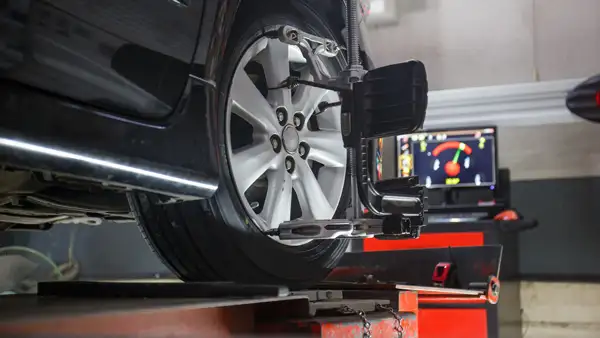
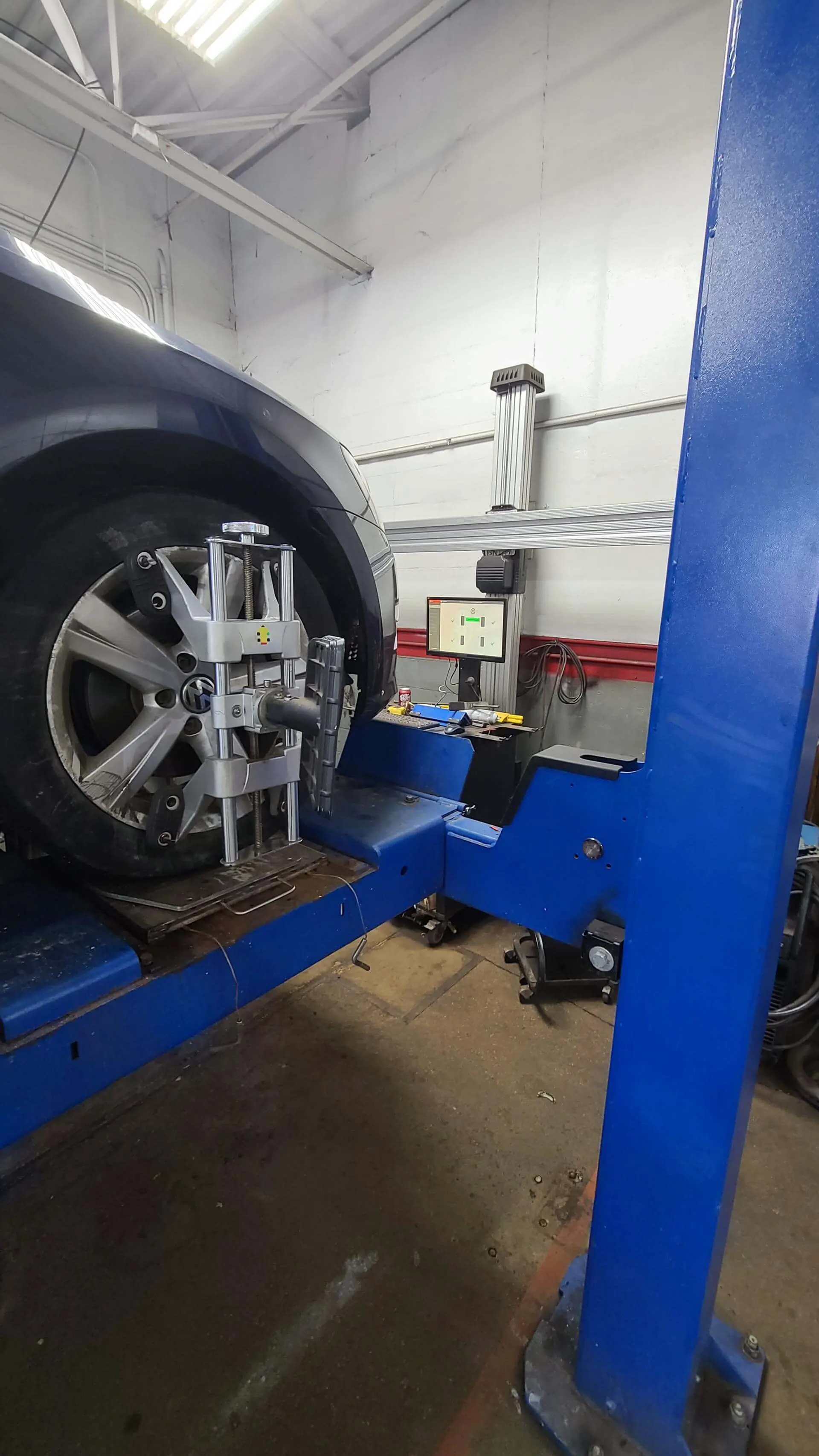
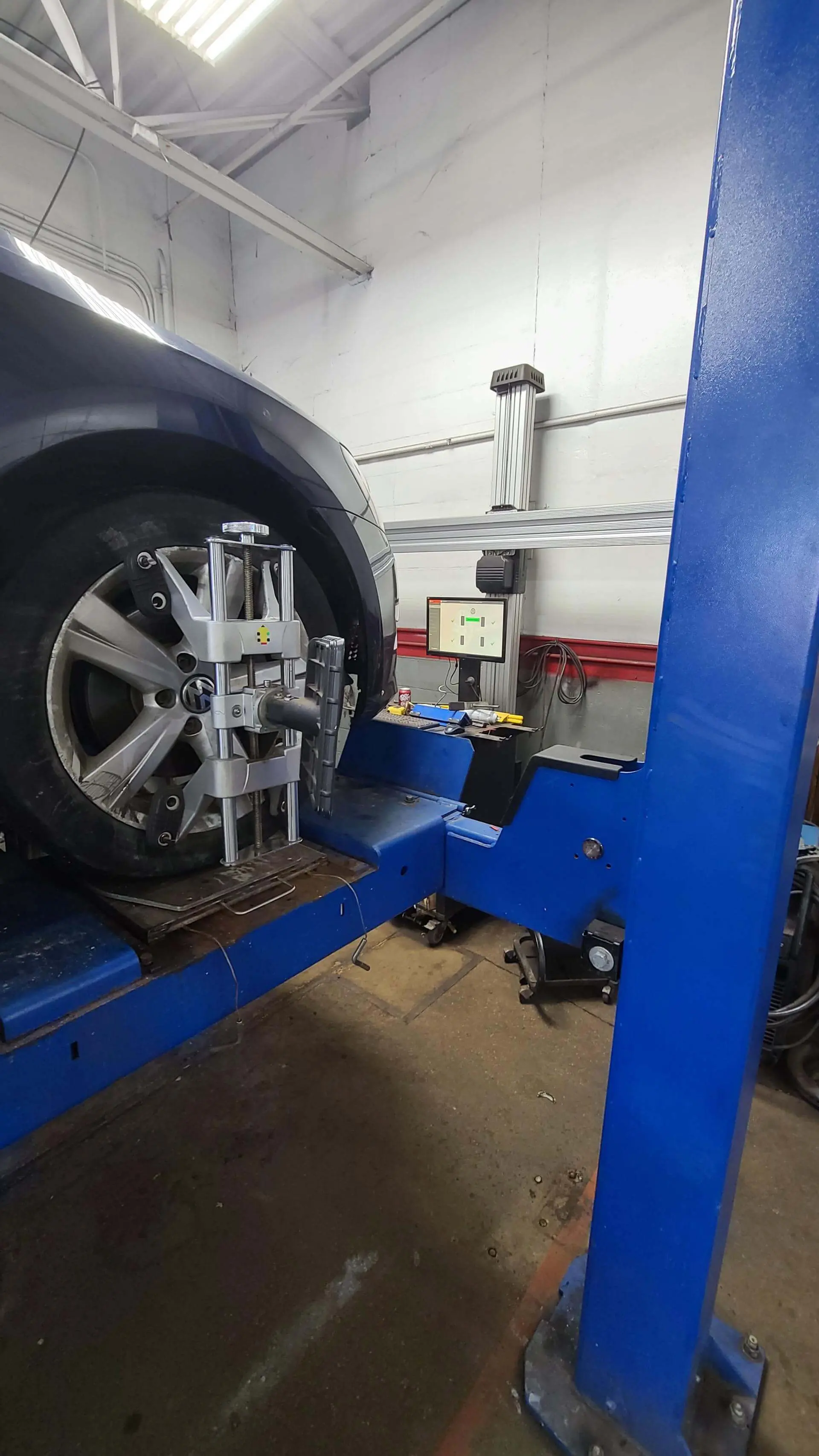
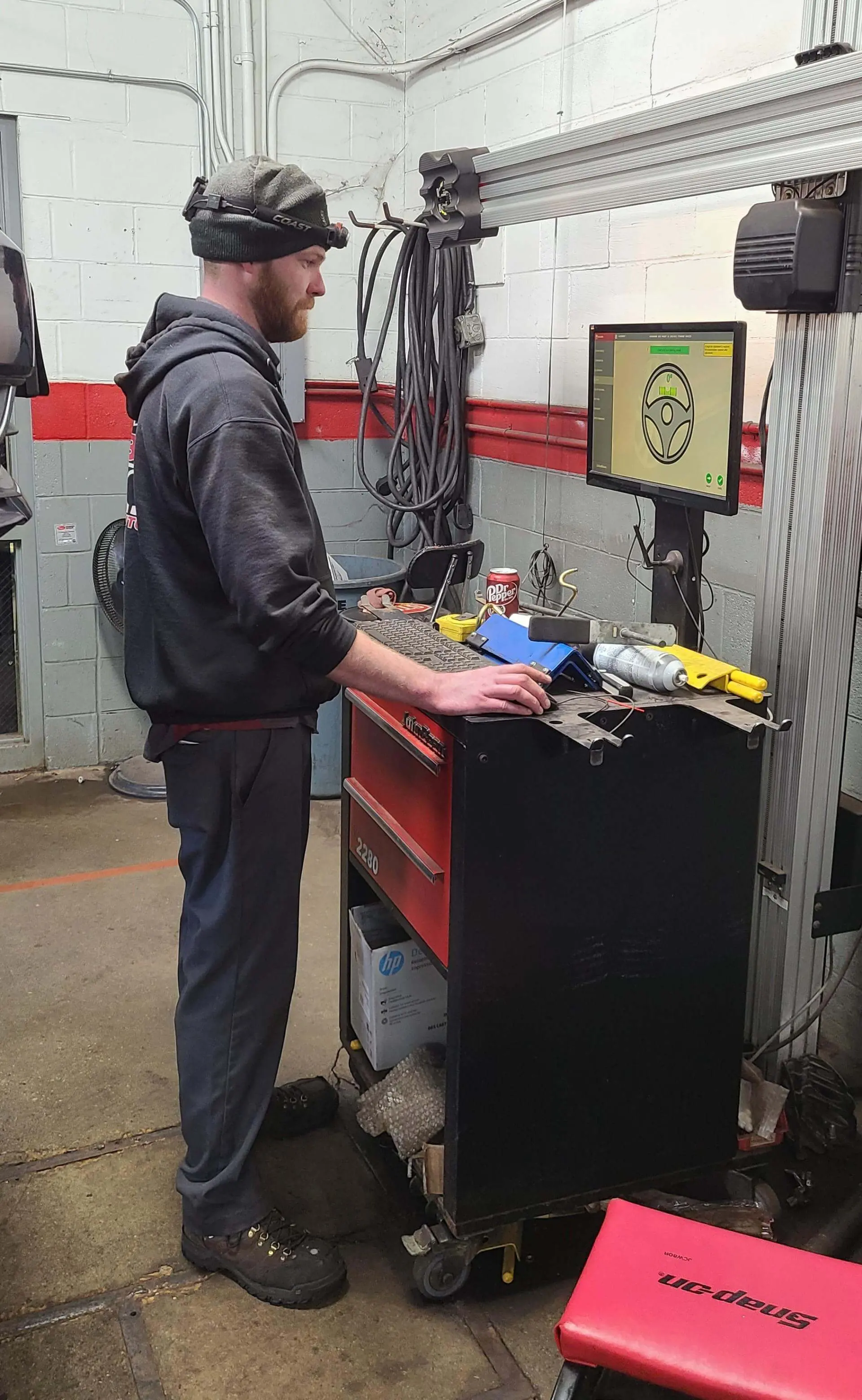
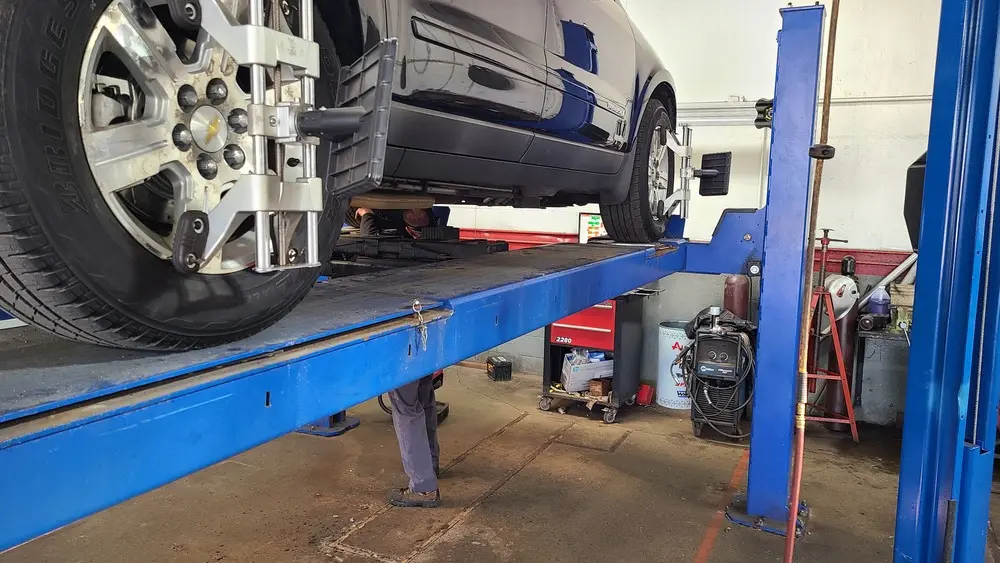
A wheel alignment is a service that adjusts your vehicle’s suspension system—the components that connect your car to its wheels. Contrary to what many people think, an alignment doesn’t actually “move” the tires or wheels themselves. Instead, it fine-tunes the angles at which your tires make contact with the road.
The goal is to ensure everything is set according to the manufacturer’s specifications so your vehicle drives straight and performs as intended.
The Three Key Alignment Angles
During an alignment, technicians focus on three main angles:
- Camber – This is the inward or outward tilt of your tires when viewed from the front. Too much tilt can cause uneven wear on one side of the tire.
- Caster – This angle affects your steering stability and balance, especially at higher speeds.
- Toe – This refers to whether your tires point inward or outward when viewed from above. Incorrect toe alignment is a major cause of rapid tire wear.
When these angles are off, even slightly, it can affect your vehicle’s performance and safety.
Signs Your Car Needs an Alignment
Your vehicle will usually give you a few warning signs when something isn’t right. Common indicators include:
- The car pulls to the left or right while driving
- Your steering wheel is crooked when driving straight
- Uneven or unusually fast tire wear
- Steering feels loose or less responsive
- Squealing tires during turns
Ignoring these signs can lead to bigger (and more expensive) issues down the road.
Why Wheel Alignments Are Important
Getting regular alignments isn’t just about comfort—it directly impacts your safety and your wallet.
1. Extends Tire Life
Misaligned wheels can cause your tires to wear unevenly and much faster than normal. Considering how expensive tires can be, keeping them properly aligned can save you money.
2. Improves Vehicle Handling
A properly aligned vehicle responds better to steering, making it easier to control—especially in emergency situations.
3. Increases Fuel Efficiency
When your wheels are out of alignment, your engine has to work harder to move the vehicle forward. Proper alignment reduces resistance and can improve gas mileage.
4. Enhances Driving Safety
A car that pulls or doesn’t steer correctly can be dangerous. Alignment ensures your vehicle tracks straight and handles predictably.
What Causes Misalignment?
Wheel alignment issues can happen gradually or suddenly. Some common causes include:
- Hitting potholes or road debris
- Bumping into curbs
- Driving on rough or uneven roads
- Normal wear and tear over time
- Minor accidents or impacts
Even everyday driving can slowly knock your alignment out of spec.
How Often Should You Get an Alignment?
A good rule of thumb is to have your alignment checked at least once a year or every 6,000–10,000 miles. It’s also smart to get an alignment:
- After installing new tires
- After hitting a large pothole or curb
- If you notice any of the warning signs mentioned earlier
Final Thoughts
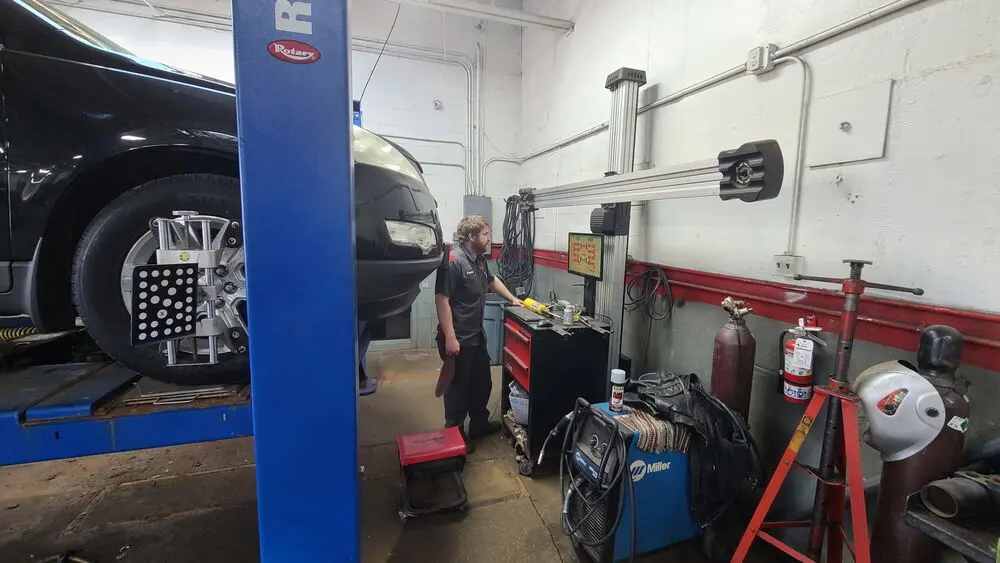
A wheel alignment is a simple service that makes a big difference. It keeps your vehicle driving straight, improves handling, extends tire life, and helps you stay safe on the road.
If it’s been a while since your last alignment—or your car just doesn’t feel quite right—it might be time to have it checked. A small adjustment now can prevent bigger problems later. 🚗